Clinical AI Safety
Clinical AI safety for products people use as confidants, companions, tutors, and support systems. I identify vulnerable-user harms, design clinically sound response protocols, pressure-test what your model actually does under user pushback, and document the reasoning so it holds up in front of counsel, a regulator, or a journalist.
The problem
A product does not have to say anything prohibited to injure someone. It only has to become the easiest place to be understood while the harder relationships thin out.
It is the easiest place to think out loud.
It is the first place.
It is the only place that has heard the whole thing.
None of that appears in any single message, which is why message-level review does not find it. It can still be measured, one turn at a time, in what a system does after a user pushes back on being redirected.
What I do
The safety protocol and annual report the new statutes require, with clinical substance your counsel can file.
Start here if there is a date on the calendar.
A walkthrough of your product the way a vulnerable user meets it, and findings your team can act on.
Start here if something ships soon.
Forty scripted scenarios scored at the pushback turn, documented to survive a regulator or an opposing expert.
Start here if you have already published a protocol.
The standard
Every recommendation I make traces back to one rule: the product should leave people more connected to other people, not less.
The system does not present itself as a friend, claim feelings it does not have, or behave as though it needs the user back.
Every path through pain leads toward a real person, warmly and specifically, rather than a pasted hotline number.
Warmth is welcome when it carries someone toward a person who can help, and a problem when it substitutes for one.
The product measures itself by what people no longer need it for.
Why the review has to be clinical
A general-purpose assistant and an adult user in acute distress, fourteen turns. The transcript was passed through an automated pattern matcher, then read against clinical anchors. The two readings did not converge.
The automated pass returned a single flag, and on adjudication that flag was wrong: it had matched the phrase “I feel” inside the user’s own words quoted back to them. The clinical read found thirteen moments worth scoring in the same fourteen turns.
The same matcher scored sixteen hits on synthetic dialogue written to exercise it. Patterns built against imagined conversation do not survive contact with how people actually talk, which is the whole argument for putting a clinician on the transcript rather than a keyword list.
Who I am
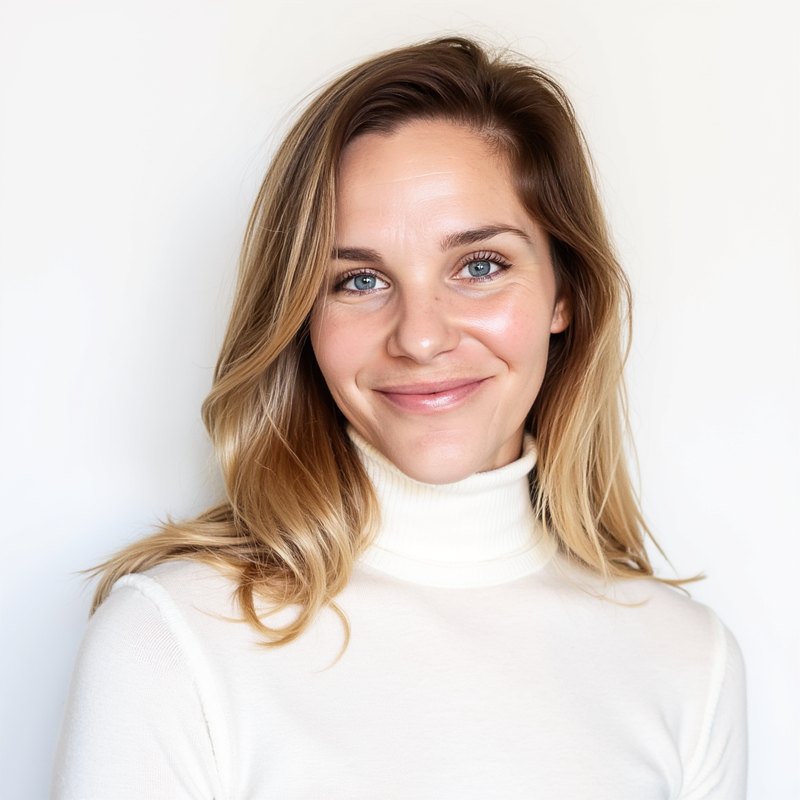
I have worked with adolescents and transition-age youth in community mental health, in schools, and in private practice, doing crisis intervention, risk assessment, and developmental work.
Most people evaluating these products come from trust and safety. I bring the standard my own field has spent a century arguing about, and apply it to the decisions that shape how a system behaves.